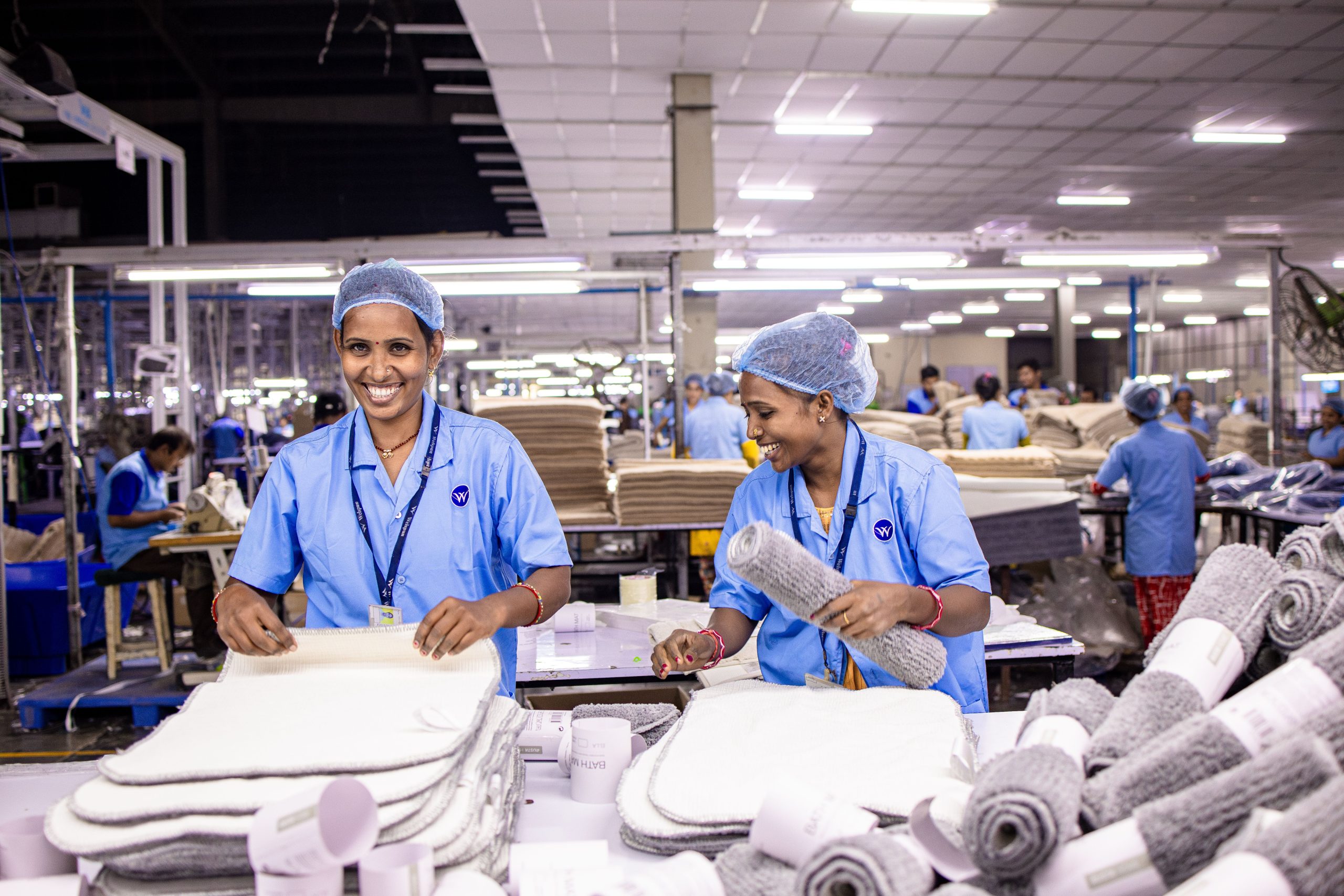
Examining the Impact of Increased Female Workforce Participation on Wage Dynamics
The evolving landscape of the global workforce has seen a substantial shift over recent decades, notably with increased female participation across various industries. As society continues to promote gender equality and support women in their professional pursuits, a pertinent question arises: how has the growing presence of women in the workforce influenced overall wage structures?
Understanding the Broader Context
It is essential to clarify that this discussion is not rooted in sexist reasoning. Women’s ability to work, earn incomes, and contribute to their families and communities is fundamentally positive and beneficial for societal progress. Instead, the focus is on analyzing potential economic repercussions—specifically, how increased labor supply impacts wage levels across different sectors.
Analyzing the Economic Implications
The rise in full-time female employment, especially in traditionally male-dominated fields, has led to an expanded labor pool. From an economic standpoint, this increase in supply of labor could, theoretically, influence wages. When the availability of workers grows faster than demand, employers potentially face less urgency to offer higher wages, which might exert downward pressure on wages within certain industries.
However, this simplistic supply-and-demand perspective is only one piece of a complex puzzle. An augmented workforce can stimulate economic growth by increasing overall productivity and consumer spending. The expanded labor market can lead to higher aggregate demand, potentially pushing wages upward in some sectors and creating more opportunities for workers.
Considering Broader Economic Growth and Household Dynamics
Furthermore, increased female workforce participation can contribute positively to economic growth at a macro level. As more households benefit from dual incomes, consumer expenditure and investment in education, health, and infrastructure can rise, fostering a more robust economy. Such growth may offset or even outweigh any potential wage suppression caused by an increased labor supply.
Conversely, if household structures had largely remained as single-income nuclear households, the dynamics of earnings, consumption, and economic growth might look different. Hypothetically, a society with predominantly single-income households could experience less overall economic expansion but potentially higher wages for certain roles due to stricter labor supply constraints.
Complex Interplay of Factors
In reality, wage trends are influenced by a multitude of variables, including technological advancements, labor policies, education levels, and global economic conditions. While increased female participation in the workforce is an important factor, isolating its direct impact on wages requires careful analysis, accounting for these various influences.
Conclusion
The question of whether the inclusion of more women into the workforce has suppressed wages does not yield a straightforward answer. It is a nuanced issue where economic growth, labor supply, societal changes, and market dynamics intersect. Recognizing the multifaceted nature of this topic is essential for forming a comprehensive understanding of modern labor markets.
Final Thoughts
Promoting gender equality in employment remains a vital societal goal. As economies adapt to these shifts, ongoing research and policy considerations are crucial to ensure fair wages, equitable opportunities, and sustainable growth for all members of society.
No Responses