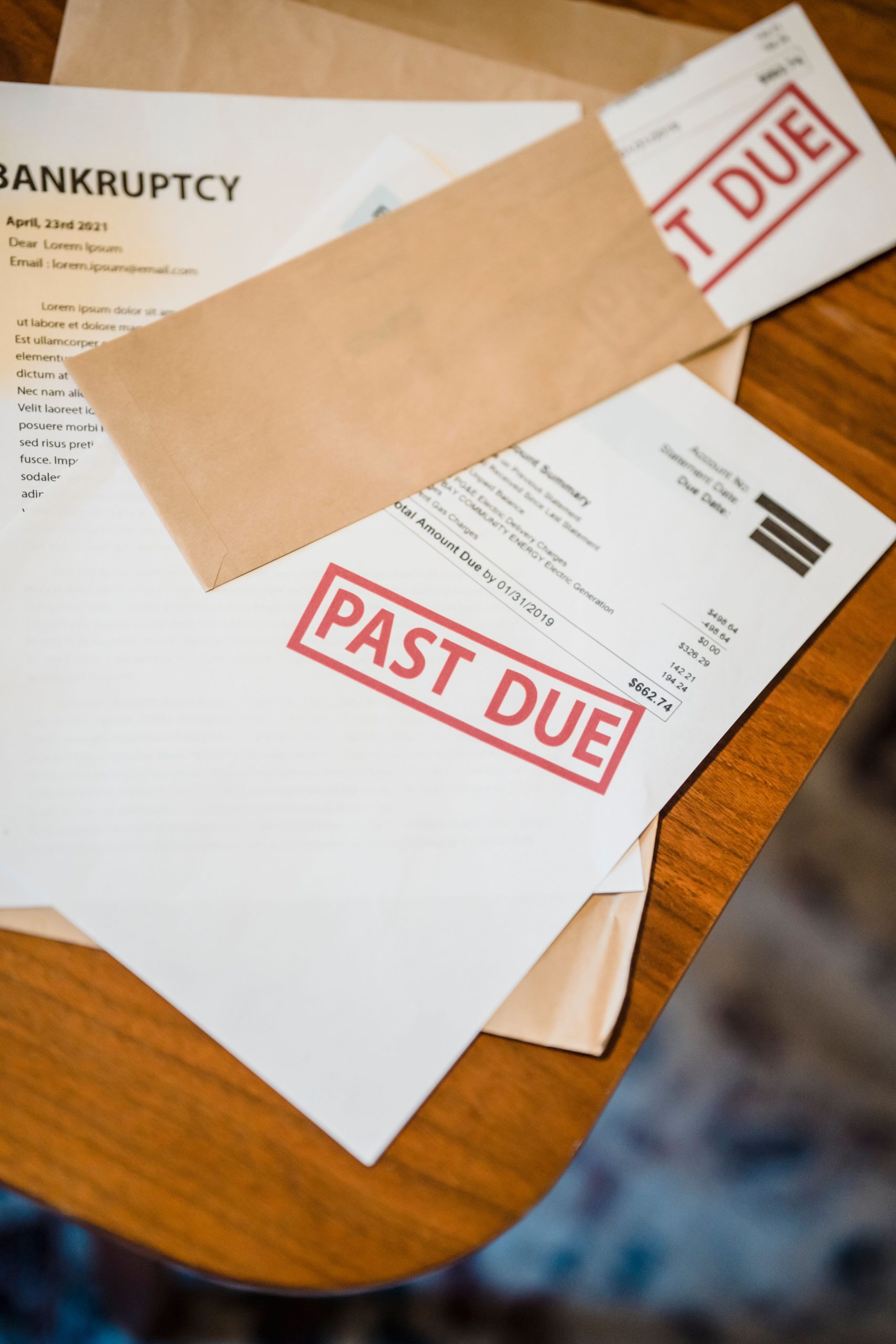
Evaluating the Pros and Cons of Filing Bankruptcy: A Personal Financial Review
Facing significant financial hardship can be overwhelming, and many individuals find themselves contemplating whether bankruptcy is a viable solution. If you’re earning approximately $21 per hour and working full-time while carrying around $20,000 in debt, it’s natural to evaluate your options carefully.
In this article, we explore the key considerations for those weighing bankruptcy as a debt relief strategy, particularly focusing on Chapter 7 bankruptcy, and examine alternative approaches such as debt settlement negotiations.
Understanding Your Financial Situation
Your current income, at roughly $21 per hour, places your gross monthly income in a moderate range, depending on your work hours. With a full-time schedule, this likely translates to an annual income that may qualify you for Chapter 7 bankruptcy, which is designed for individuals with limited means to pay off debts.
Your assets include a vehicle valued at approximately $2,000 and a condominium that you have protected under Homestead laws. Protecting your primary residence can be a significant consideration when evaluating bankruptcy options, as exemptions vary by state but often allow for the retention of primary dwellings.
Is Bankruptcy the Right Path?
Chapter 7 Bankruptcy:
This form of bankruptcy often provides a relatively quick and straightforward way to eliminate unsecured debts like credit cards, medical bills, and personal loans. However, it also involves the liquidation of non-exempt assets to settle debts.
Benefits include:
– Rapid debt discharge, often within 3-6 months
– Relief from creditor harassment
– No repayment plan required
Considerations:
– You may lose non-exempt assets.
– It remains on your credit report for up to 10 years.
– Certain debts, such as student loans and taxes, are typically not dischargeable.
Alternative Options: Debt Settlement
Some creditors are open to settlement offers, sometimes agreeing to accept a 50% payment of the owed amount as a lump sum or partial settlement. Negotiating with creditors might be a viable alternative to bankruptcy, potentially allowing you to reduce total debt without the long-term impact on your credit score.
Making the Decision
Deciding whether to pursue bankruptcy or attempt negotiated settlement depends on several factors:
– The types and amounts of your debts
– Your ability to negotiate and make lump-sum payments
– Your long-term financial goals and credit impact
– Potential loss of exempt or non-exempt assets
It is highly advisable to consult with a qualified bankruptcy attorney or a reputable financial advisor to analyze your specific circumstances. They can help you understand the nuances of your state’s exemption laws, assess your eligibility, and explore all available options.
Final Thoughts
Managing $20,000 in debt on a steady income can be challenging, but there are structured processes and resources to help you regain financial stability. Whether through bankruptcy, debt settlement, or a combination of strategies, taking proactive steps is essential.
Remember, seeking professional guidance tailored to your unique situation is the best way to make informed decisions that align with your financial well-being and future goals.
No Responses