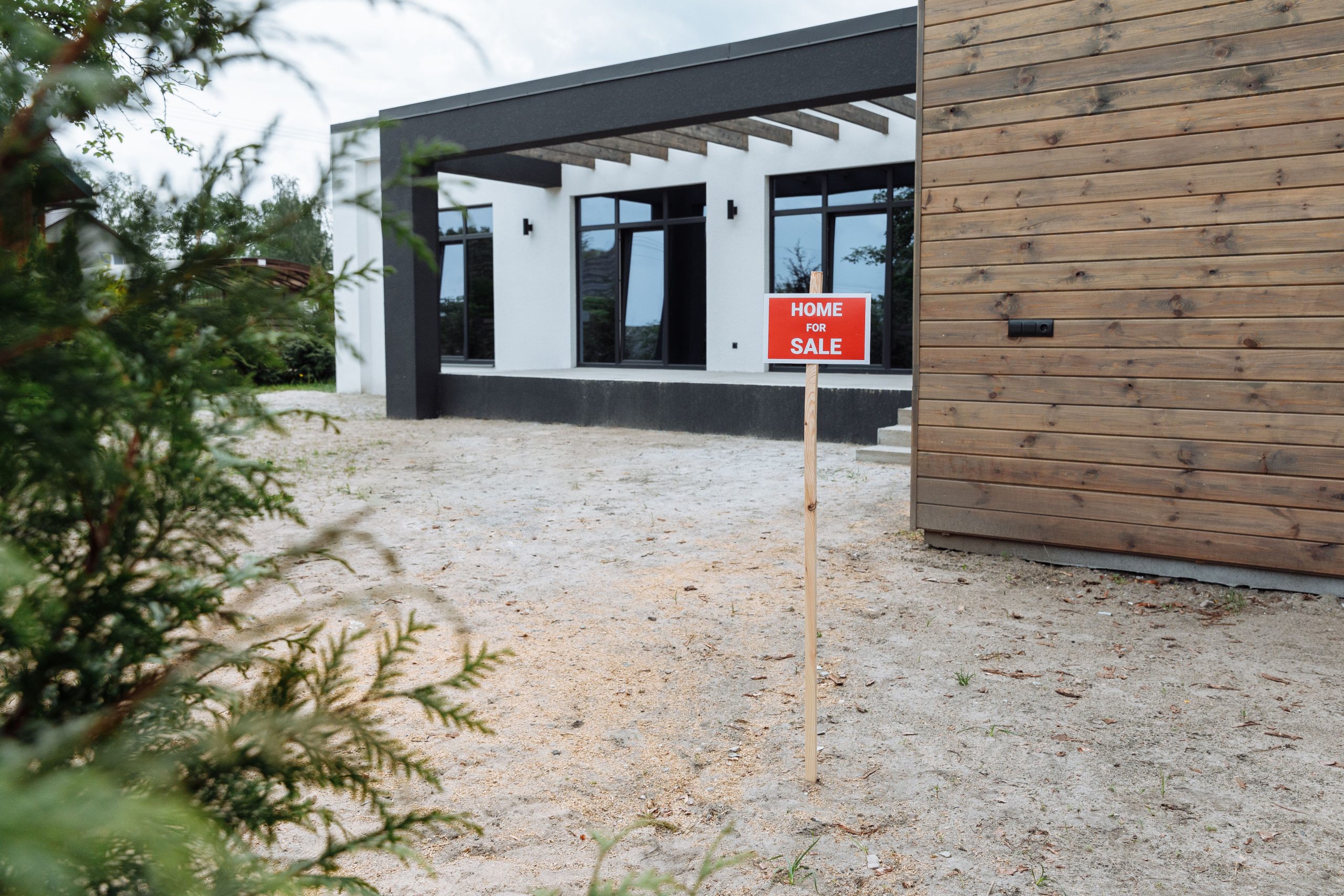
Understanding Your Rights and Responsibilities When Selling Your California Home Post-Bankruptcy Discharge
Navigating real estate transactions after a bankruptcy discharge can be complex, especially when an estate remains open due to ongoing proceedings involving property assets. If you’ve recently received your bankruptcy discharge—such as in California—and are contemplating selling your primary residence, it’s crucial to understand the legal considerations and potential implications to ensure compliance and protection of your rights.
Background Scenario
Suppose you received your bankruptcy discharge on September 1, 2026. Although the court case remains open because the bankruptcy trustee is managing the sale of a rental property you own, you are considering selling your primary residence in California. Emerging financial pressures, such as a significant reduction in employment income, may necessitate the sale to support your household—comprising your wife and four children.
Key Legal Considerations
-
Court and Trustee Approval for Sale
Typically, once a bankruptcy case is discharged, you regain control of your personal property, including your primary residence. However, if the bankruptcy case remains open, especially due to unresolved estate matters (like the sale of another property), you may need to seek permission from the bankruptcy trustee or the court before listing or closing on the sale of your home. Consulting with your bankruptcy attorney is essential to determine whether court approval is necessary. -
Impact on Homestead Exemption and Equity Protections
California law provides a homestead exemption that shields a certain amount of equity in your primary residence from creditors. Usually, after a discharge, this exemption remains intact unless the bankruptcy estate is still actively managing assets involving that property. If your home’s equity falls within the protected exemption limits, selling the property should generally not jeopardize this protection. Still, any proceeds from the sale may be subject to review if the estate remains open. -
Proceeds from the Sale and Trustee Claims
Even after discharge, if the bankruptcy estate is still open, the trustee might have certain rights over proceeds generated from property sales related to the estate. Whether or not the trustee can claim a portion of the sale proceeds depends on the specifics of the case—such as the status of estate administration and any claims the trustee might have over the property or its proceeds. -
Abandonment of the Property
The trustee needs to formally abandon the property if the estate no longer claims it. Abandonment clarifies that the property is no longer part of the bankruptcy estate and generally allows you to proceed with sale or refinancing without trustee oversight. Confirm with your attorney whether the estate has been formally abandoned or if further steps are required. -
Timeline for Reinvestment of Sale Proceeds
If you intend to use proceeds to purchase a new home and seek to maintain exemption protections, be aware of any applicable deadlines for reinvestment. Some exemptions or legal protections depend on how and when funds are reinvested into subsequent property purchases. -
Use of Sale Proceeds for Living Expenses
Utilizing proceeds from the sale for rent or daily living expenses does not typically affect your homestead exemption; however, it’s prudent to discuss such plans with your legal counsel to ensure compliance and to understand any possible implications for your bankruptcy case or property protections.
Next Steps
Given the complexity of your situation—particularly with the case still open—it’s strongly recommended to consult with a qualified bankruptcy attorney. They can review your case specifics, clarify whether court approval is needed, assess the status of the estate regarding your primary residence, and guide you through any necessary legal steps before proceeding with the sale.
In summary, while many debtors can freely sell their primary residence after discharge, open bankruptcy cases involving the estate’s assets introduce additional considerations. Ensuring you follow the proper legal procedures will help protect your interests and avoid potential complications.
Conclusion
Selling your primary home after a bankruptcy discharge in California involves nuanced legal considerations, especially when an estate remains open. To make informed decisions, reach out to your bankruptcy attorney for tailored advice, confirming whether you need court approval, understanding potential claims on sale proceeds, and ensuring that your actions align with your legal protections and financial goals.
If you’re facing a similar situation, taking proactive legal guidance can provide peace of mind and clarity as you navigate these important financial decisions.
No Responses