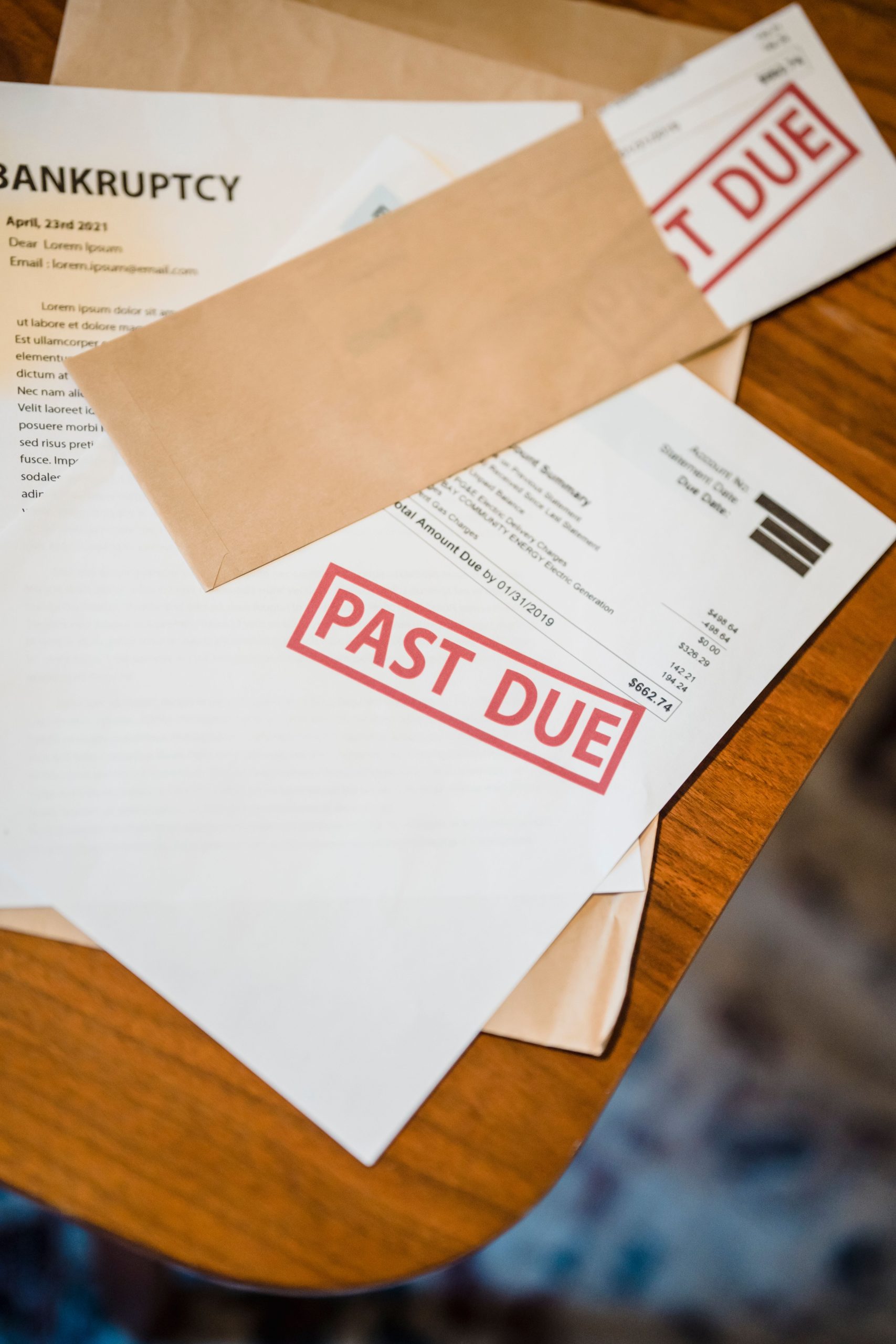
Understanding the Pros and Cons of Bankruptcy: A Personal Financial Strategy
Navigating financial hardship can be overwhelming, especially when considering options like bankruptcy. If you’re contemplating whether bankruptcy is a viable solution for your situation, it’s essential to understand both its implications and potential benefits. Here’s an in-depth look into what you should consider, particularly if your financial goals differ from traditional assets like homeownership or credit lines.
Assessing Your Financial Landscape
Age and Location: At 25 years old and residing in Southern California, you are in the early stages of your career and financial life. Your proactive approach to addressing debt is commendable.
Debt Profile: You currently carry over $12,000 in high-interest credit card debt, accrued primarily after college, alongside $20,000 in student loans and a $10,000 car loan (with your father as co-signer, and likely to retrieve the vehicle). Your debt accumulation has been influenced by emergencies, such as regional fires and health issues, which required financial emergencies.
Current Financial Status: With all your credit cards maxed out, loss of income sources, minimal savings ($30 in checking), and no other assets, your financial situation appears dire but clear. You have expressed a desire not to pursue homeownership or require credit for future purchases.
Your Goals and Attitudes Toward Credit: You have no intention of buying a home or maintaining credit cards. You consider credit score and debt history to be inconsequential to your future plans. This perspective influences your openness to bankruptcy, seeing it as a potential means to reset your financial standing.
Advantages of Bankruptcy in Your Case
Debt Relief: Bankruptcy can discharge or reorganize unsecured debts such as credit card balances, helping you eliminate liabilities that seem unmanageable.
Fresh Start: As you lack significant assets, with only a modest checking account and no property, declaring bankruptcy could provide a straightforward path to clearing debts and alleviating creditor pressure.
Impact on Future Education and Career: Your research suggests that bankruptcy may not impede law school admissions or bar licensing in your jurisdiction, which aligns with your career ambitions.
Considerations and Potential Drawbacks
Credit History and Future Renting: While you’ve indicated that credit relevance is minimal to you, be aware that bankruptcy can impact rental applications, as landlords often perform credit checks. However, since you’re not concerned with credit-based transactions, this may not be a significant issue.
Legal and Financial Consequences: Bankruptcy carries long-term implications, including potential impacts on your financial reputation and the need to adhere to court requirements. While it may not affect your immediate plans, it’s important to understand the process thoroughly.
Alternatives to Bankruptcy
Debt Management Plans: Engaging with credit counseling services might help negotiate repayment terms without court intervention.
Debt Settlement: Negotiating directly with creditors could lower balances, although this may impact credit and carry tax implications.
Pre-bankruptcy Planning: Consulting with a bankruptcy attorney or financial advisor can clarify the best course of action, ensuring you understand the process, eligibility, and repercussions.
Final Perspectives
Given your unique situation—minimal assets, considerable debt, and specific future plans—bankruptcy could serve as an effective way to eliminate burdensome debt and move forward unencumbered. However, it’s crucial to incorporate professional legal advice to confirm that this route aligns with your long-term goals and to navigate the process properly.
Ultimately, the decision to file for bankruptcy should be made with a clear understanding of its benefits and potential drawbacks. If you’re seeking a fresh start to focus on your career and personal development, this option merits serious consideration, provided you are well-informed and prepared for the subsequent steps.
Disclaimer: This article is for informational purposes only and does not substitute for professional legal or financial advice. Always consult qualified experts before proceeding with bankruptcy or other significant financial decisions.
No Responses