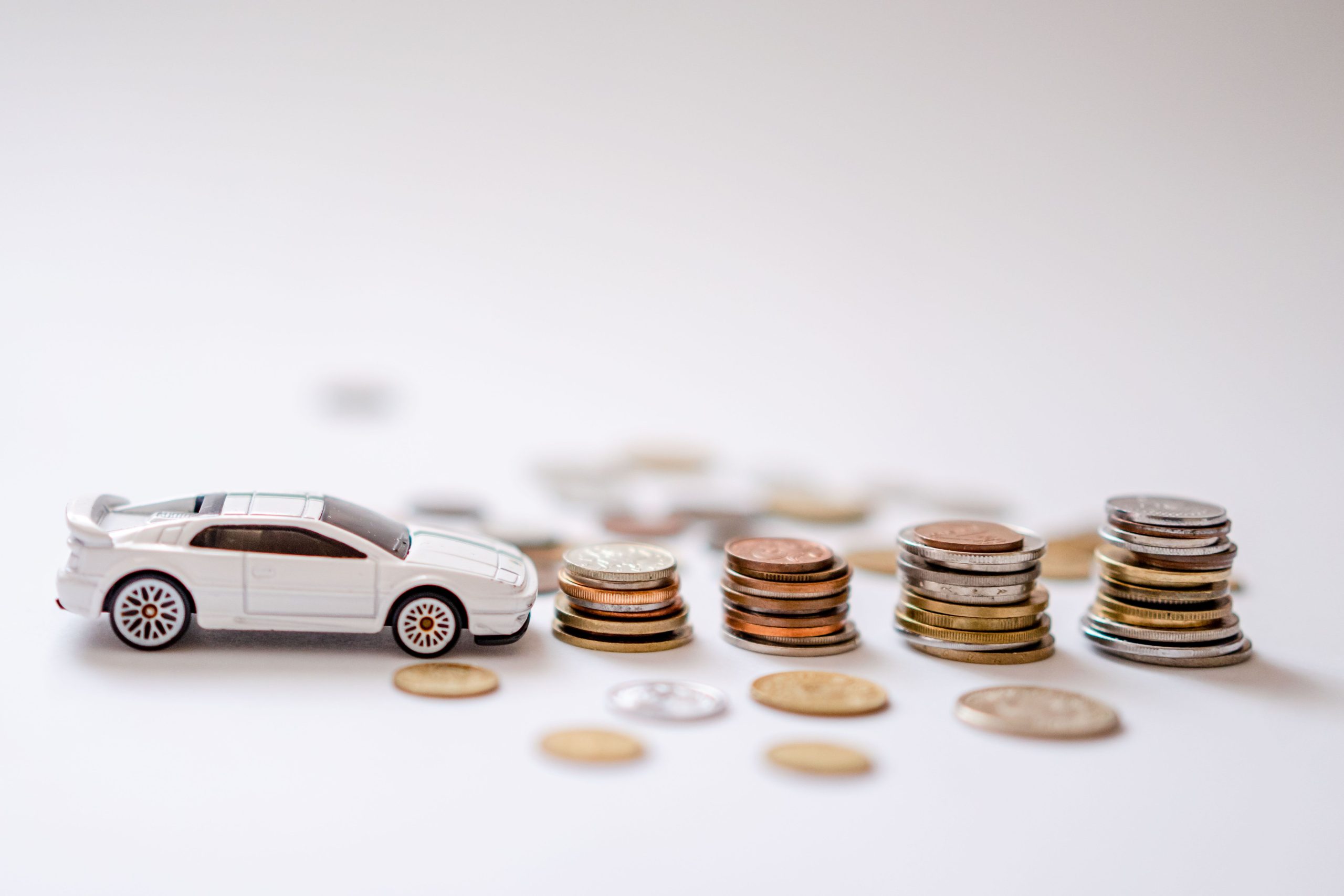
Understanding the Impact of Interest Rates on Car Prices
The automotive market is influenced by a multitude of factors, ranging from supply chain dynamics to consumer preferences. Among these, interest rates play a significant role, particularly when it comes to financing options. A common question among consumers and industry analysts alike is: How sensitive are car prices to fluctuations in interest rates?
The Role of Financing in Car Purchases
Most vehicle purchases are financed through loans, making monthly payments a crucial aspect of consumers’ decision-making process. While the sticker price of a car is one component, the actual cost borne by the buyer over time heavily depends on the loan’s interest rate. As interest rates rise, the total cost of financing increases, which can influence the demand for particular vehicles and, ultimately, their market prices.
Expected Relationship Between Interest Rates and Car Prices
Intuitively, higher interest rates should exert downward pressure on car prices. When borrowing becomes more expensive, potential buyers may become more cautious, reduce their overall spending, or opt for less expensive models, thereby decreasing demand for higher-priced cars. This decreased demand can lead sellers to adjust prices downward to attract buyers.
Quantifying the Effect
The magnitude of this sensitivity varies based on multiple factors, including the elasticity of demand, the proportion of the car’s price financed, and prevailing economic conditions. Empirical studies suggest that a 1 percentage point increase in interest rates can lead to a noticeable, but not necessarily proportional, decline in car prices. For consumers, this means that a rise in interest rates could translate into several hundred dollars less in financed costs, potentially influencing the market value of new cars.
Implications for Buyers and Sellers
Understanding this dynamic is essential for both consumers and dealerships. Buyers can consider the implications of prevailing interest rates on their purchasing power and compare financing options. Dealers and manufacturers, on the other hand, monitor interest rate trends as an indicator of future demand and price adjustments.
Conclusion
In summary, while the relationship between interest rates and car prices is complex, a general principle holds: increasing interest rates tend to reduce the overall market price of vehicles, primarily through their impact on monthly payments and buyer demand. As interest rates fluctuate, both consumers and industry stakeholders should remain attentive to these shifts, which can have tangible effects on vehicle affordability and market pricing strategies.
Published by [Your Blog Name], dedicated to providing clear insights into the automotive and financial industries.
No Responses