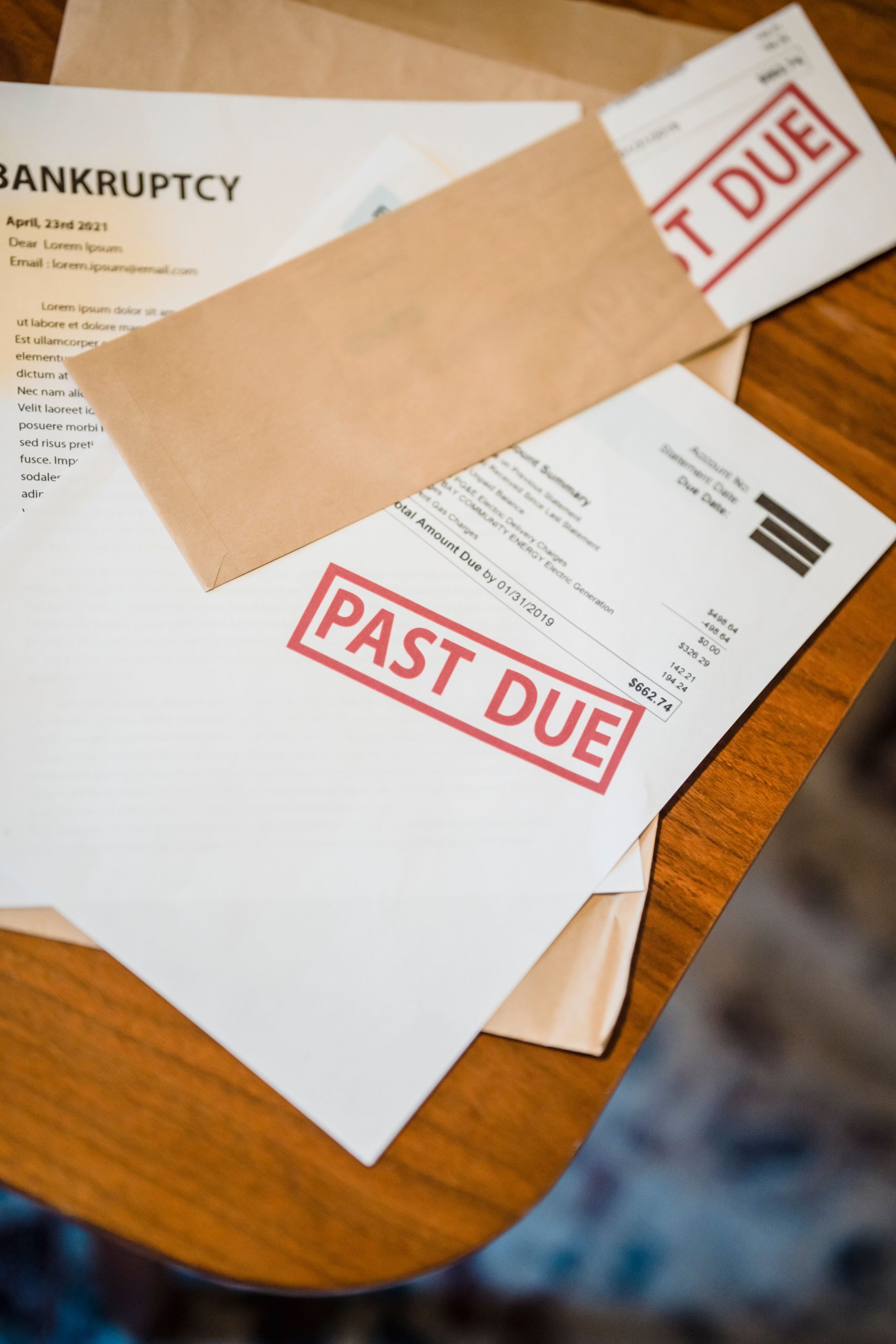
Understanding Financial Challenges and Planning the Path Forward: A Guide for Young Adults Facing Debt and Household Difficulties
Navigating financial independence can be especially challenging when entrenched in difficult home environments and managing mounting debt. If you’re a young adult grappling with familial issues, significant debt, and uncertainties about your future, you are not alone. This article aims to provide a comprehensive overview of strategies and considerations to help you make informed decisions and work towards financial stability and personal growth.
Assessing Your Current Financial Situation
Start by creating a detailed list of all debts and assets. From mounting credit card balances to medical and collection debts, understanding the full scope is essential. Prioritize debts based on their impact—those affecting your credit report, such as credit cards and loans, should be addressed alongside sensitive obligations like medical or legal debts, which may not be removable through bankruptcy.
Key debts to consider include:
- Credit card balances (e.g., Discover, Bank of America, Navy Federal, Capital One)
- Medical and collection account debts
- Vehicle-related obligations and tickets
- Educational or institutional debts
Exploring Credit and Debt Relief Options
Given the complexity of your debts and your low credit score, bankruptcy might seem like an attractive option to eliminate or reduce obligations. In the United States, Chapter 7 bankruptcy allows for the discharge of many unsecured debts, offering a fresh start, while Chapter 13 involves a repayment plan tailored to your income level.
Consultation with a qualified bankruptcy attorney can clarify which chapter aligns best with your circumstances. Remember, certain debts—such as some student loans, taxes, and traffic citations—may not be dischargeable, but clearing unsecured debts can significantly improve your financial outlook.
Addressing Specific Debts Before Filing
Certain obligations, like orthodontic or medical debts, might be handled differently within bankruptcy proceedings. For example, if maintaining dental treatment is crucial—for instance, to facilitate necessary jaw surgery—it’s vital to discuss with healthcare providers how best to manage these debts. In some cases, treatment can be paused or handled through alternative arrangements, but professional advice is essential.
Planning for Post-Bankruptcy Rebuilding
Rebuilding credit after bankruptcy involves patience and strategic planning. Start by obtaining a secured credit card or credit-builder loan to establish a positive credit history. Consistently making on-time payments can gradually enhance your credit score, enabling access to better financial products.
Developing a sustainable budget that prioritizes saving and reducing expenses is equally vital. Consider working with a financial counselor or utilizing reputable online resources to create realistic goals, such as purchasing a vehicle or moving out.
Navigating Personal and Household Challenges
Your current living environment appears to be emotionally and verbally abusive, which can impact your mental health and decision-making capacity. Seeking support from trusted friends, mentors, or mental health professionals can provide emotional relief and guidance.
If moving out is a key goal, establishing a plan based on your financial situation is critical. Saving for a deposit, securing employment, and researching affordable housing options—potentially in partnership with a supportive partner—can set you on a path toward independence. Your girlfriend’s willingness to share housing expenses and plan for a joint future can be a positive step, especially if she has a higher credit score to facilitate rental approvals.
Employment and Career Development
While traditional college may not align with your passions, developing marketable skills through vocational training, certifications, or apprenticeships can open doors to sustainable income. Focus on identifying industries with growth potential that match your interests, such as technology, trades, or creative fields like content creation.
Balancing employment with your personal growth goals is essential. Look for part-time or temporary positions that provide income while allowing flexibility to pursue your passions or entrepreneurial endeavors.
Prioritizing Self-Care and Support
Living in an abusive household takes a toll emotionally and physically. Prioritize your mental health by seeking professional counseling, support groups, or community resources designed for young adults in similar situations. Building a support network can bolster your resilience and provide guidance through complex decisions.
Summary and Next Steps
- Consult Professionals: Reach out to a bankruptcy attorney and a financial counselor to evaluate your situation comprehensively.
- Create a Debt Management Plan: Identify which debts can be discharged and plan for repayment strategies where necessary.
- Develop a Moving Strategy: Save for moving expenses, consider affordable housing options, and plan your transition to independence.
- Build Your Career: Explore skill-building opportunities that align with your passions while ensuring financial stability.
- Seek Support: Prioritize mental health and emotional well-being by engaging with support networks and professionals.
Remember, you possess resilience and ambition, and taking small, strategic steps can significantly alter your trajectory. Focus on building a stable foundation first—financially, emotionally, and personally—and gradually work toward the future you envision.
Note: Every individual’s situation is unique. Personalized advice from qualified professionals is highly recommended to navigate complex financial and personal challenges.
No Responses