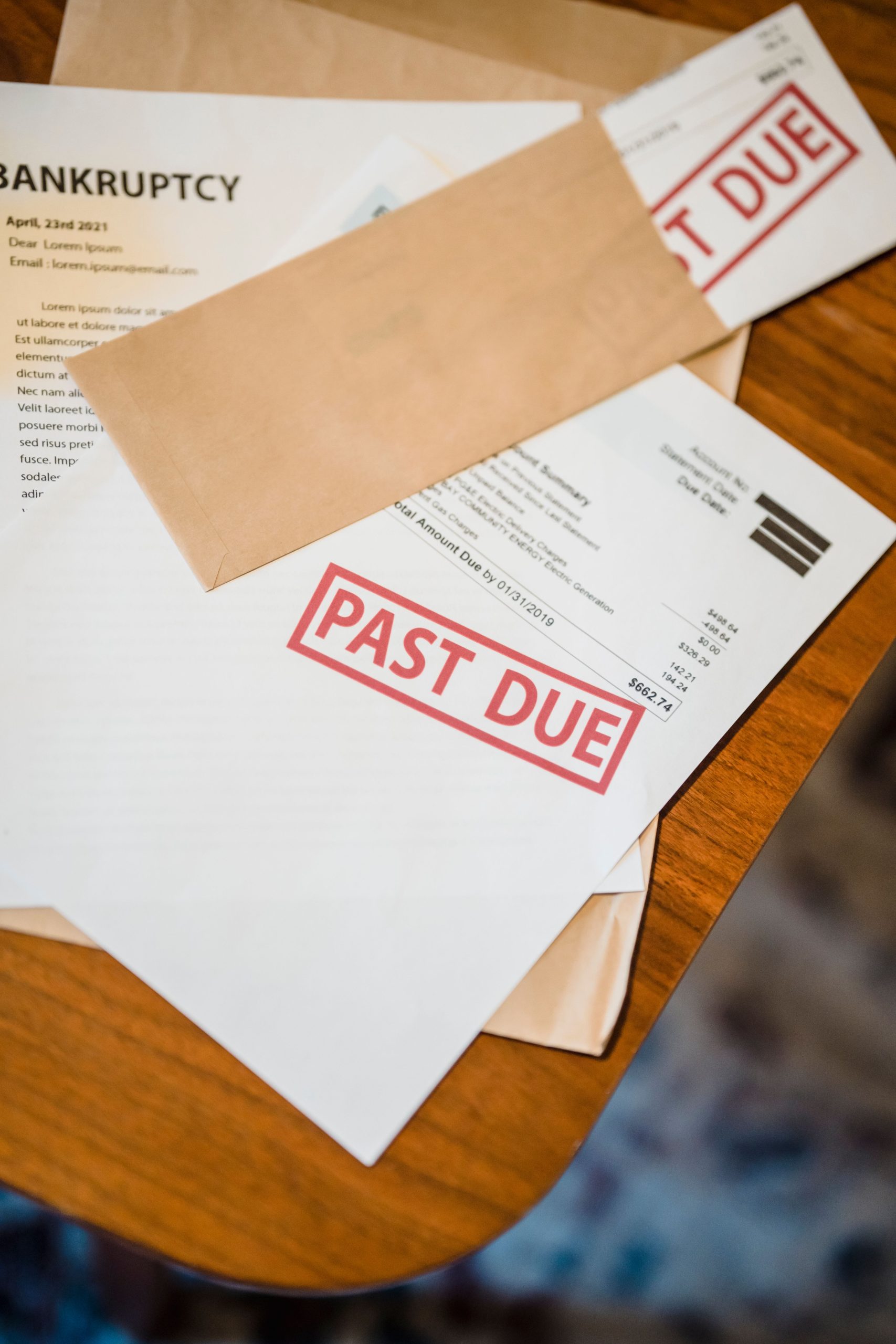
Navigating Debt Relief Options: Transitioning from Debt Settlement to Bankruptcy
Facing overwhelming unsecured debt can be a challenging and stressful experience for many families. If you’re considering your next steps in managing debt, understanding the differences between debt settlement programs and bankruptcy options is crucial. This article explores common questions and considerations for those contemplating this financial transition.
Understanding Your Debt Relief Options
Many individuals initially try to resolve debt through negotiations with creditors or by working with non-profit credit counseling services. These efforts can sometimes lead to manageable payment plans, but they may not significantly accelerate debt repayment, especially if funds are limited.
When such options are exhausted or ineffective, bankruptcy may appear as a viable path to financial relief. However, it’s vital to understand the nuances of different bankruptcy chapters and how they may impact assets like your home and vehicles.
From Debt Settlement to Bankruptcy
Debt settlement involves negotiating with creditors to reduce the total amount owed, often resulting in lower monthly payments. While this approach can provide some relief, it doesn’t eliminate the debt entirely and can have adverse effects on your credit score.
Bankruptcy, on the other hand, provides legal protection and a structured way to discharge unsecured debts, offering a potential fresh start. It’s important to recognize the different types of bankruptcy available:
-
Chapter 7 Bankruptcy: Also known as liquidation bankruptcy, this option can discharge most unsecured debts relatively quickly. However, it often requires the surrendering of non-exempt assets, and debts secured by collateral—such as car loans—may need to be reaffirmed or returned.
-
Chapter 13 Bankruptcy: This form involves establishing a repayment plan, typically spanning three to five years, allowing debtors to retain their assets while paying off creditors over time. It’s often suitable for individuals who want to keep their homes and vehicles but may have limited income or assets.
Protecting Assets During Bankruptcy
A common concern is retaining valuable assets like your home and vehicle. In Chapter 7 bankruptcy, reaffirming secured debts—meaning you agree to maintain payments—is sometimes necessary to keep these assets, but approval isn’t guaranteed and depends on the court and creditor acceptance.
Conversely, Chapter 13 offers a structured way to catch up on secured debts while preserving your property. Many individuals find this chapter especially useful for maintaining their homes and vehicles while managing their debts within a manageable repayment plan.
Seeking Professional Guidance
Deciding between debt settlement, Chapter 7, and Chapter 13 bankruptcy involves complex considerations tailored to your specific financial situation. Consulting with a qualified bankruptcy attorney or a financial advisor can provide clarity and help you choose the best course of action.
Final Thoughts
If your debt situation feels unmanageable and creditors are unwilling to negotiate further, exploring bankruptcy options may be a necessary step toward financial stability. Understanding the implications of each chapter and how they relate to your assets can empower you to make informed decisions. Remember, seeking professional advice is key to navigating this process effectively and securing your financial future.
Disclaimer: This article is for informational purposes only and does not constitute legal or financial advice. Always consult a licensed professional for personalized guidance.
No Responses