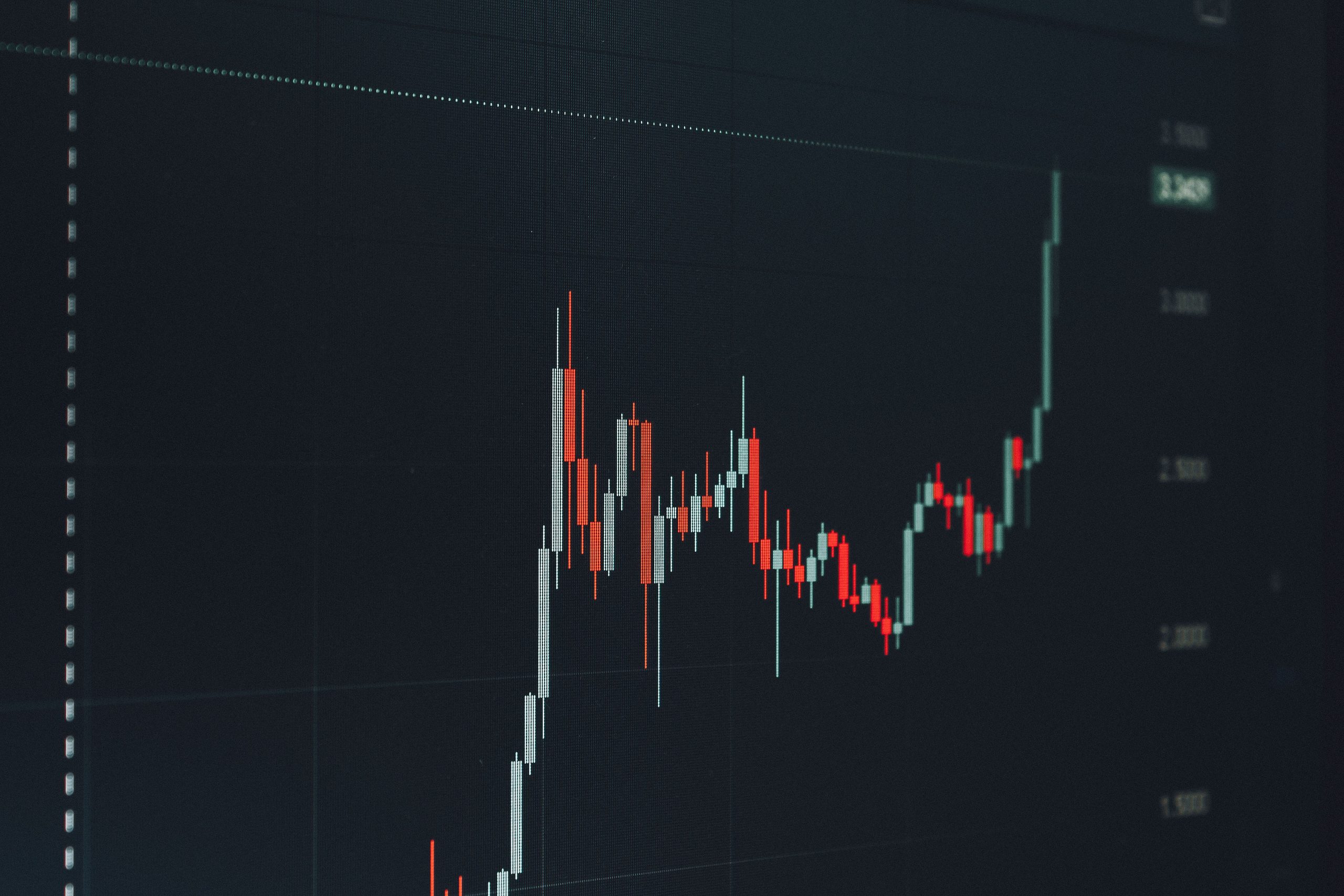
Understanding the Implications of Insider Trading in Prediction Markets
Prediction markets are often lauded as powerful tools for aggregating dispersed information. Their core premise revolves around enabling individuals to buy and sell contracts based on their expectations of future events, thus harnessing collective intelligence. One of the notable advantages of this mechanism is its capacity to extract valuable insights from participants who might otherwise choose to remain silent, especially when the process allows for anonymous participation. Essentially, prediction markets can be viewed as crowdsourcing platforms that efficiently gather high-quality information, which can inform decision-making in diverse domains.
However, the presence and potential prevalence of insider trading within these markets raise significant concerns. Insider trading—privileged access to non-public information—can distort market dynamics and undermine trust in the forecasting process. It also raises ethical questions about fairness and the integrity of information dissemination. The impact of insider trading becomes particularly sensitive in contexts where the information involved has profound social or political implications, such as election outcomes, where biased or privileged information can significantly influence public policy and societal perceptions.
The functioning of prediction markets relies on a delicate balance. To sustain participation and liquidity, markets must foster an environment where most traders operate under fair conditions, with minimal advantages gained from insider information. Allowing a controlled level of insider trading might be inevitable; it can incentivize broader participation while ensuring that the market continues to function effectively. If insider trading becomes rampant, however, it risks causing market distortions, deterring ordinary participants, and ultimately compromising the accuracy of predictions.
Interestingly, these considerations are not unique to prediction markets but are also relevant to traditional financial markets. Insider trading is subject to regulation precisely because it threatens market integrity. The challenge lies in defining appropriate boundaries—permitting enough insider activity to keep markets functioning smoothly, but not so much that they become unreliable or unfair.
This discussion prompts broader questions about the role of insider trading across different market types and the societal implications of such activities. Striking the right balance requires careful consideration of ethical standards, regulatory frameworks, and the social value derived from accurate predictions.
For those interested in exploring this topic further, several scholarly articles and industry reports delve into the nuances of prediction markets, insider trading, and market regulation. Key recommendations include:
- “Prediction Markets: An Overview” by Robin Hanson, which provides foundational insights into how prediction markets operate and their potential benefits.
- “Market Manipulation and Insider Trading” published by the U.S. Securities and Exchange Commission, discussing regulatory perspectives.
- “The Ethics of Prediction Markets” by researchers in behavioral economics, exploring fairness and societal impact considerations.
In summary, while prediction markets offer a promising avenue for harnessing collective intelligence, managing the risks associated with insider trading remains critical to preserving their integrity and societal value. Achieving this balance requires ongoing research, prudent regulation, and a nuanced understanding of market dynamics.
No Responses