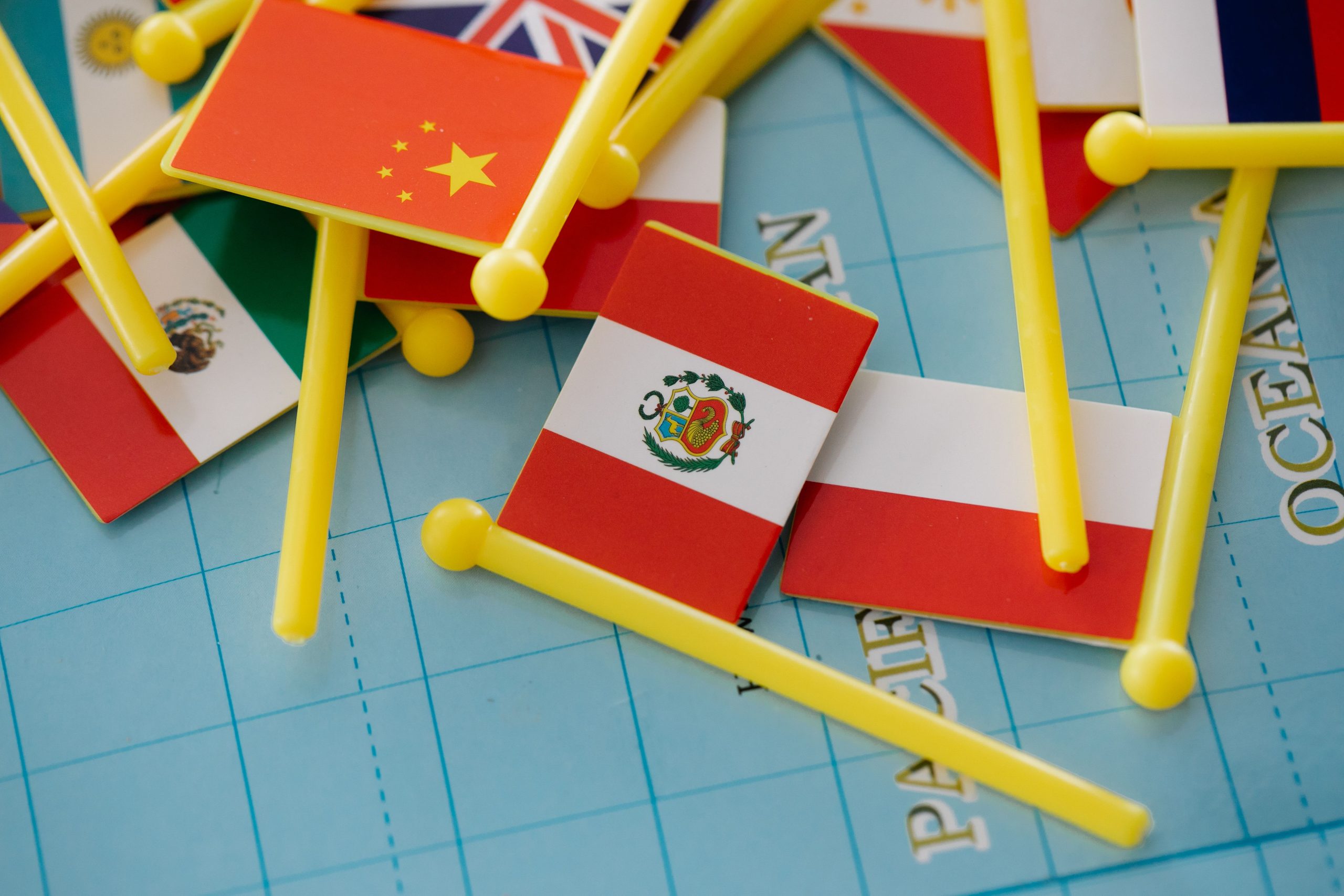
Understanding Mexico’s Unique Development Trajectory: Combining Advanced Economic Indicators with Diverse Demographics
Mexico’s economic landscape has garnered considerable attention in recent years due to its intriguing position—exhibiting levels of development comparable to China, yet maintaining demographic characteristics more akin to India. This juxtaposition presents a fascinating case study in the complexity of national development, blending economic success with demographic trends that challenge conventional assumptions.
Economic Parallels with China
Although Mexico’s growth has been steady rather than meteoric, its economic indicators suggest a relatively advanced position. According to recent data, Mexico is classified as an upper middle-income country, with a Gross Domestic Product (GDP) per capita hovering around $15,000. Such figures place Mexico near the threshold of reaching “High Human Development,” a milestone often associated with more mature economies.
Furthermore, the Human Development Index (HDI)—a composite measure capturing health, education, and income—places Mexico at approximately 0.797, very close to China’s 0.789 (as of 2023). It’s important to note that Mexico’s HDI score may have already surpassed the 0.800 benchmark, signaling a rapid advancement in socio-economic factors.
Contrasting Demographics: Closer to India
Despite these economic similarities, Mexico’s demographic profile presents a stark contrast. China’s median age has exceeded 40 years, reflecting an aging population. In contrast, Mexico’s median age remains around 30, indicative of a relatively youthful population.
In terms of fertility rates, Mexico’s Total Fertility Rate (TFR)—the average number of children born per woman—stands at approximately 1.6. Although this is below the replacement level of 2.1, it is notably higher than China’s TFR, which is approaching 1.0. Mexico’s TFR has only been below replacement for about a decade, whereas China has experienced a prolonged period of population decline due to sustained low fertility.
Exploring the Reasons Behind the Disparity
This divergence prompts several questions: How can two nations with comparable economic development levels display such contrasting demographic trends? Several factors may contribute:
-
Cultural and Social Influences
Mexico’s predominantly Catholic culture and strong family-centric values tend to support higher fertility rates, despite urbanization and modernization. These cultural norms may slow demographic transition compared to other countries. -
Economic Stability and Growth Patterns
Mexico’s steadier, more incremental economic growth may enable its population to maintain higher fertility rates. Populations often adjust their reproductive behaviors based on economic security; gradual growth can foster a more predictable environment for raising children. -
Policy and Social Services
Differing policies related to family planning, healthcare, and social support systems also influence fertility trends. Mexico’s investment in these areas might contribute to more sustained fertility levels relative to rapidly aging nations like China. -
Migration and Population Mobility
Mexico’s demographic dynamics are also shaped by migration patterns, both domestically and across borders. These flows can impact population age structures and growth rates differently compared to countries with more restrictive migration policies.
Conclusion
Mexico’s case exemplifies that economic development does not directly dictate demographic patterns. Its concurrent achievement of advanced economic indicators and relatively youthful demographic structure underscores the multifaceted nature of national progress. Cultural values, policy choices, and economic stability all intertwine to produce unique development trajectories.
As Mexico continues to evolve, understanding these complex interactions will be crucial for policymakers, economists, and sociologists aiming to craft strategies that sustain positive growth while addressing demographic challenges. This duality presents both opportunities and hurdles—highlighting that sustainable development encompasses much more than just income and GDP figures.
No Responses